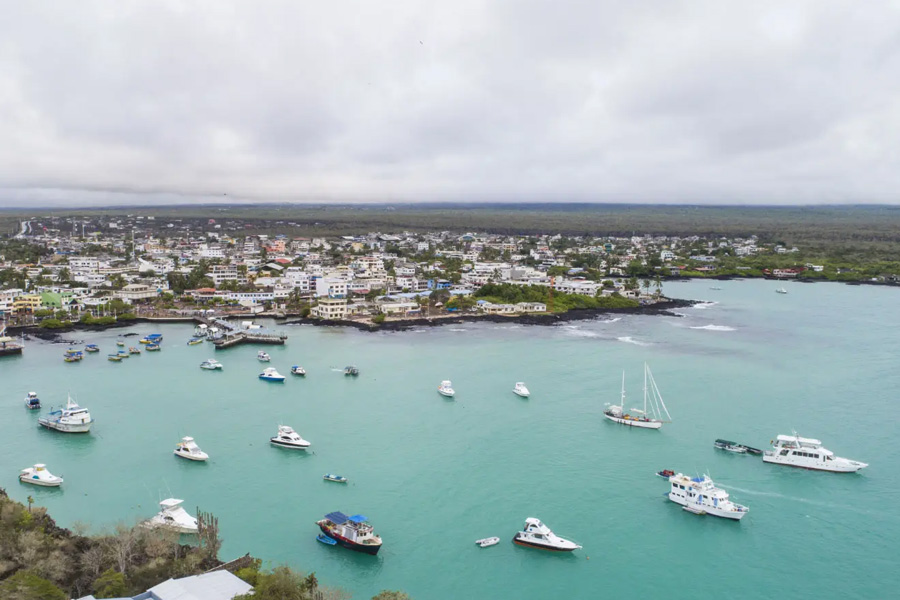
Planning a trip to the Galapagos Islands is a dream come true for wildlife enthusiasts and adventure seekers alike. However, organizing an independent island-hopping itinerary requires careful preparation, especially when it comes to managing logistics and costs. Unlike traditional beach destinations, moving between the islands in this pristine archipelago involves specific rules, schedules, and budgeting strategies that every traveler should know before arriving.
One of the most critical aspects of organizing your budget is understanding the maritime transportation system. Since there are no bridges connecting the main inhabited islands—Santa Cruz, San Cristóbal, Isabela, and Floreana—public speedboats (locally known as lanchas) are the primary way to get around. To keep your travel finances under control, checking the current Galapagos ferry prices ahead of time is essential. This allows you to factor in not only the tickets themselves but also the small local fees, such as water taxi transfers (aquataxis) and pier entry taxes that apply at each port.
Navigating the Inter-Island Routes Successfully
The layout of the Galapagos transportation network means that Santa Cruz acts as the central hub. Most routes do not connect directly with each other; for instance, if you want to travel from San Cristóbal to Isabela, you will typically need to take a morning ferry to Santa Cruz, wait a few hours, and then take an afternoon ferry to your final destination. This makes timing and early booking incredibly important to avoid getting stranded or missing a day of excursions.
Because certain paths experience extremely high demand from tourists throughout the year, securing your spots early is a smart logistical move. For example, since this is one of the most popular routes for exploring giant tortoise reserves and volcanic landscapes, it is highly recommended to book your ferry tickets from Santa Cruz to Isabela well in advance. Relying on last-minute availability at the pier can disrupt your itinerary, especially during peak travel seasons.
Practical Tips for a Smooth Maritime Journey
To ensure a comfortable experience on the water, there are a few practical rules to follow. First, always arrive at the designated pier at least 30 to 45 minutes before departure. Every piece of luggage must go through a mandatory biosecurity inspection to protect the unique ecosystem of the islands from invasive species. Once your bags are sealed, you can proceed to the boarding area.
Additionally, the open ocean ride can be quite bumpy depending on the season, particularly between July and November when the Humboldt Current brings cooler, rougher waters. If you are prone to motion sickness, taking preventative medication an hour before boarding and choosing a seat towards the back of the boat will significantly improve your comfort. By securing your transportation early and understanding the local logistics, you can fully immerse yourself in the incredible natural wonders that the Galapagos Islands have to offer.