Madhya Pradesh is known for several places, each offering diverse holiday experiences. One such destination is Rewa. Located on the Vindhya plateau, this beautiful city offers natural surroundings and several historical landmarks. Here’s how you can cover this picturesque destination in a comprehensive, two-day itinerary.
Day One: Start With the Waterfalls
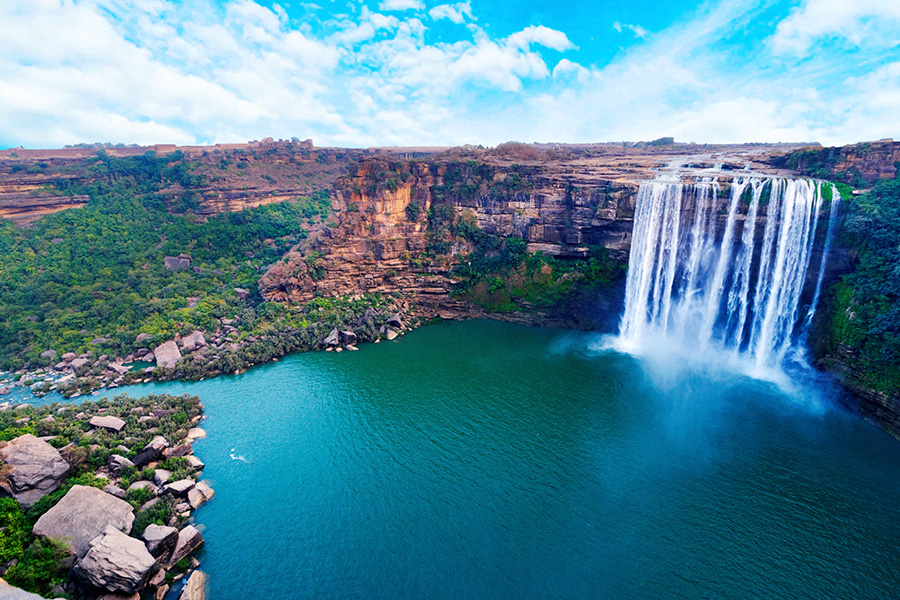
Rewa is situated in a very scenic part of the country with rivers and cliffs, and it has some of the most beautiful and exciting waterfalls. Keoti Falls is the first waterfall to visit, with breathtaking views from the top of the falls.
The best time for you to visit is from August through November, after the rainy season. The land is a lush green colour at this time, and there is a lot of mist coming off the waterfalls, giving it a very picturesque look.
Chachai Falls and Bahuti Falls are easy to reach and make a great trip if you want to see multiple waterfalls. Bahuti Falls is one of the tallest in central India, with a fall of over 198 metres. You can visit all three during the morning and afternoon, leaving the rest of the day open for other activities.
Day One Afternoon: The White Tiger Legacy
Rewa holds a highly significant place in wildlife history. The world’s first recorded white tiger in captivity, Mohan, was captured here in 1951 by the Maharaja of Rewa.
The story of Mohan is woven into the area’s local identity, and visiting the sites connected to this legacy feels meaningful rather than touristy. The Govindgarh Palace is located just a short distance from the city and provides an actual connection to the white tiger narrative.
Day Two: Royal Heritage and the Rewa Fort
The royal history of this town can be observed on Day Two of your itinerary. Located in the city centre, Rewa Fort is only a few hundred years old and is indicative of what came before it. The reign of the Baghel dynasty in central India left behind impressive architecture, and Rewa Fort provides an intricate glimpse of this.
The structure is substantial, and walking through its corridors and courtyards only takes a few hours. Some sections house a small museum where artefacts, royal regalia, and historical documents are displayed.
Another stop for those interested in heritage would be the old royal guesthouse called Venkat Bhavan. It has maintained much of its original character, both interior and exterior, enabling visitors to see how Baghel royalty lived and entertained.
Day Two Afternoon: Purvanchal Plateau Views
The plateau sights around Rewa offer an afternoon to enjoy. The scenery is suitable around Bansagar Dam, as it has an extended vista across the large body of water and up into the surrounding hill country. The best time to appreciate these views is after dark, as dusk gives rise to a quickly changing light on the water from the reflection of the clouds overhead.
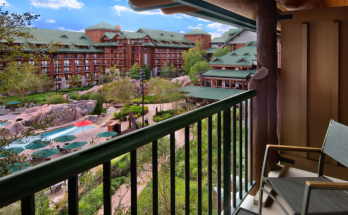
Visitors booking hotels in Rewa will find the city centre well-positioned for reaching all these sites without covering excessive ground each day. Most attractions fall within a short drive, making the itinerary manageable without early starts.
Practical Notes
The best months to visit Rewa are between October and February, when the roads are generally in good condition, and the weather is fairly cooperative throughout the day. The most practical way to explore the two-day loop of sites is by hiring a local guide or driver, as public transportation between locations is hard to find. Overall, Rewa rewards curious travellers with a hunger for unhurried historic explorations.