The 3 Peaks Challenge UK is one of the most demanding yet rewarding endurance challenges in the United Kingdom. It involves climbing the highest mountains in Scotland, England, and Wales within a strict 24-hour timeframe. This challenge tests physical stamina, mental resilience, and logistical planning, making it far more than a simple hiking trip. For many participants, it is a personal milestone or a charity-driven mission that requires months of preparation and teamwork.
Understanding the 3 Peaks Challenge
The 3 Peaks Challenge UK consists of summiting Ben Nevis, Scafell Pike, and Snowdon in one continuous effort. While the total walking distance is just over 23 miles, the real difficulty lies in the combined elevation gain, changing terrain, unpredictable weather, and long overnight drives between locations. Success depends as much on planning and pacing as it does on fitness.
Route Overview and Order of Peaks
Most teams follow a traditional route that begins in Scotland and ends in Wales. Starting with the highest peak first helps conserve energy for the later stages when fatigue becomes a factor. The usual order is Ben Nevis, followed by Scafell Pike, and finally Snowdon. This route also aligns well with driving logistics, allowing teams to make the most of limited time.
Climbing Ben Nevis
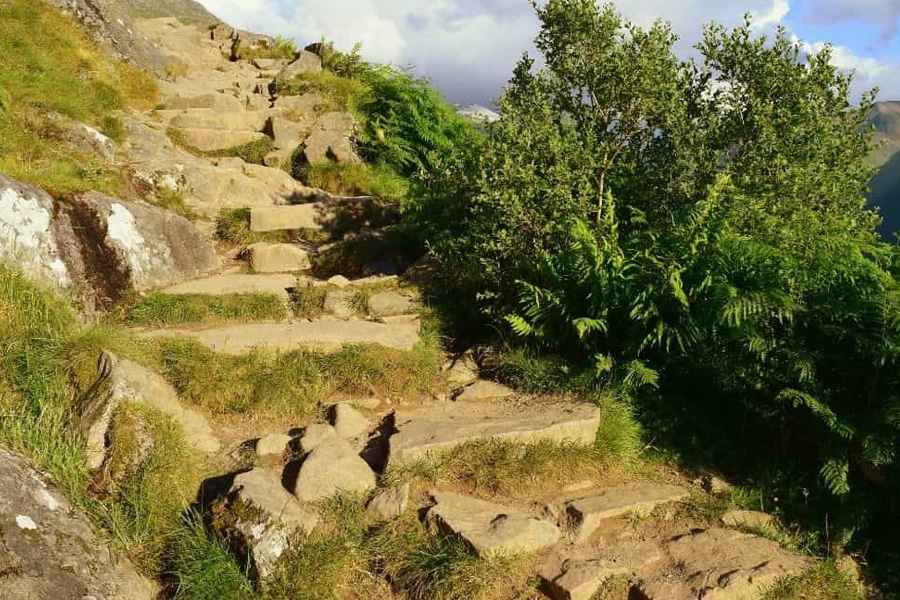
Climbing Ben Nevis is often the longest and most physically demanding part of the challenge. The Mountain Track is the most commonly used route because it is well-defined and does not require technical climbing skills. However, its length, steep sections, and exposure to rapidly changing weather can catch unprepared hikers off guard. Wind, rain, and poor visibility are common even in summer, so proper clothing and navigation skills are essential. Most teams spend between five and seven hours completing this ascent and descent, making time discipline crucial from the very start.
Transition and Travel Planning
After completing Ben Nevis, teams face a long drive to the Lake District. People often don’t think about travel time enough, but it’s a big part of how well the task goes overall. Efficient driver rotation, planned rest stops, and pre-packed meals help keep the group moving. Stretching during stops can reduce stiffness and lower the risk of injury during the next climb.
Climbing Scafell Pike
Climbing Scafell pike is typically done via the Wasdale Head route, which is the shortest but also one of the steepest and rockiest paths. Many teams reach this stage late at night or in the early hours of the morning, making navigation more challenging. Head torches, clear route knowledge, and group awareness are vital here. Although Scafell Pike is lower than Ben Nevis, exhaustion often makes this climb feel harder. On average, teams spend three to five hours completing this section.
Final Ascent of Snowdon
Snowdon is the final peak and often the most mentally challenging. After two major climbs and hours of driving, energy levels are low. The Llanberis Path is commonly chosen because of its gradual incline and straightforward navigation. Despite being considered the “easiest” route, it still requires focus and determination. Many participants find that simply keeping a steady pace and staying hydrated is key to reaching the summit within the remaining time.
Timing Strategy and Pacing
Managing time effectively is critical throughout the 3 Peaks Challenge UK. Successful teams break the 24 hours into walking time and driving time, setting clear targets for each stage. Delays on early climbs often create pressure later, so sticking close to planned schedules is important. Leaders should monitor group speed and make decisions quickly if conditions change.
Training and Physical Preparation
Preparation should begin at least three to six months in advance. Training hikes with elevation gain, long-distance walks, and back-to-back activity days help simulate the physical demands of the challenge. Strength training for legs and core improves stability on uneven terrain, while cardiovascular training builds endurance for long climbs.
Essential Equipment and Safety
Appropriate gear can make the difference between completion and failure. Waterproof clothing, reliable hiking boots, layered insulation, navigation tools, and energy-dense food are non-negotiable. Weather conditions can change rapidly on all three peaks, so carrying emergency supplies and understanding mountain safety principles is vital.
Final Thoughts
Completing the 3 Peaks Challenge UK is a remarkable achievement that requires preparation, teamwork, and determination. With realistic training, smart timing, and respect for the mountains, participants can turn an intense challenge into an unforgettable experience. The sense of accomplishment at the final summit makes every step, mile, and hour worthwhile.